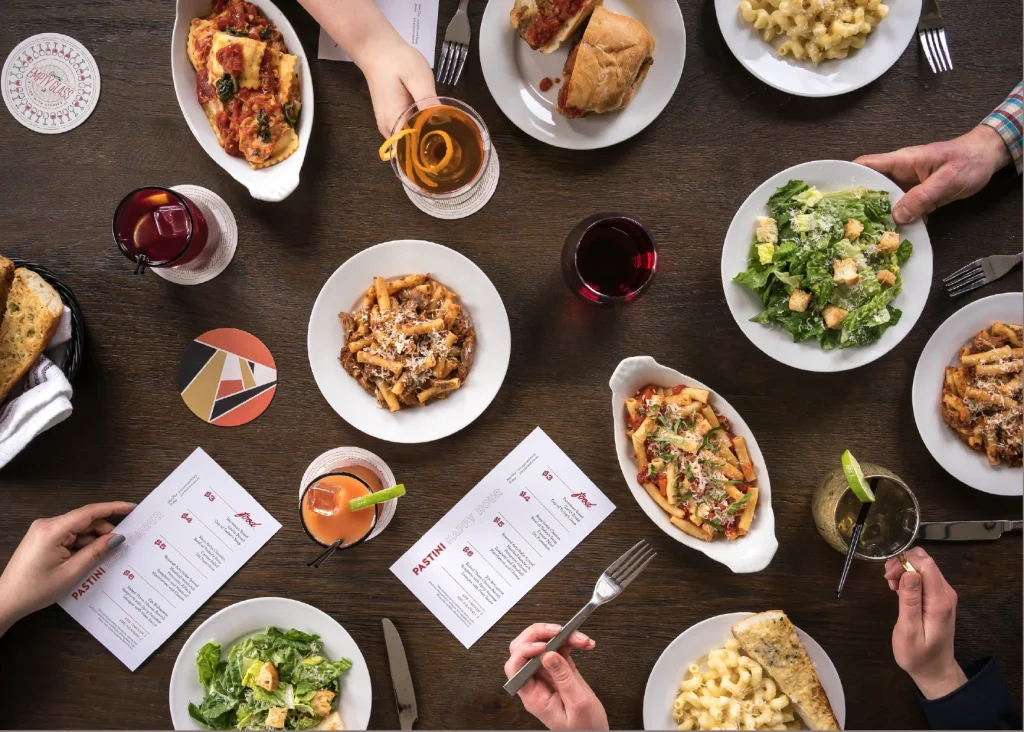
Food is the first of the three categories in Eat, Drink, Play, and it is the one where the packaging is doing most of the selling. A shopper deciding between two products in an aisle is reading a label, not a campaign, which is why brand strategy and packaging design sit next to each other in almost every engagement we run.
We work with food brands on full-service engagements and on single projects, from a repositioning through to a retail launch. The same internal team covers the strategy, the design, the studio production, and the media, so the story on the pack matches the story in the ad and on the shelf.
Our point of view
Packaging is the only advertising every single buyer sees. A shopper may never encounter your paid media, your email, or your social channels, but they cannot buy the product without looking at the pack. We think that makes packaging the highest-leverage asset most food brands own, and the one most often treated as a production task rather than a strategic one.
The second thing we would argue: distribution changes the brief. Copy and structure that work for a direct-to-consumer subscription box are the wrong answer for a grocery endcap, because the shopper has a different amount of time and a different question. Designing once and hoping it travels is how brands end up with packaging that performs in neither place.